Approximately 46% of Google searches are from people looking for sellers in their local area. And in fact, the same city or area they are in. That means almost half of the people using Google every day are trying to find something nearby. And it can be anything, such as a coffee shop, local SEO experts, or the best-rated digital agency in their area.
And here’s the thing: 76% of those local searchers visit a business within 24 hours. And even around 28% end up purchasing there. So, if your business is not showing up in local search results, especially on mobile or voice search, you’re leaving a lot on the table.
So if you are thinking about the solution, local SEO is something you should try.
And local SEO does not mean you will rank higher. But you will be showing up when someone searches. And the people who are already looking for what you offer will reach out.
When it comes to local SEO, you can understand it as a process of getting your business to show up in search results when people nearby are looking for products or services you offer.
If someone types or says something like:
This means that your users are requesting Google to provide them with local businesses. This is a kind of location-based intent. So, instead of trying to rank globally or nationally, first of all, your goal should be to rank on top of businesses in your local area. And business means your competitors. And by doing this, you’re focusing on getting found in your city, your neighborhood, or even your street.
For example, let’s say someone types on Google like: best cake shop near me or SEO company in Noida. If your business is listed properly and optimized for local search, you are going to win a lot of potential customers, for sure. Either on Google Maps or in that little 3-pack right under the ads.
And that’s where most people click. But here’s the point: local SEO is not just about being online. But it’s about being visible to the right people, in the right place, at the exact moment they’re looking.
Also Read – SEO Mistakes to Avoid in 2026
You might be aware that people trust local businesses. And you may have experienced this thing in your personal life. Let’s keep the customers aside for a moment and think of yourself as a customer. Because you are. You will also go into a shop that is trusted and sells quality stuff, right? In the same way, your potential customers also want something nearby, something fast, something they can check out today or tomorrow. And they don’t want to scroll through ten listings to find it.
Here’s what’s changed:

Also Read – How to do Shopify SEO?
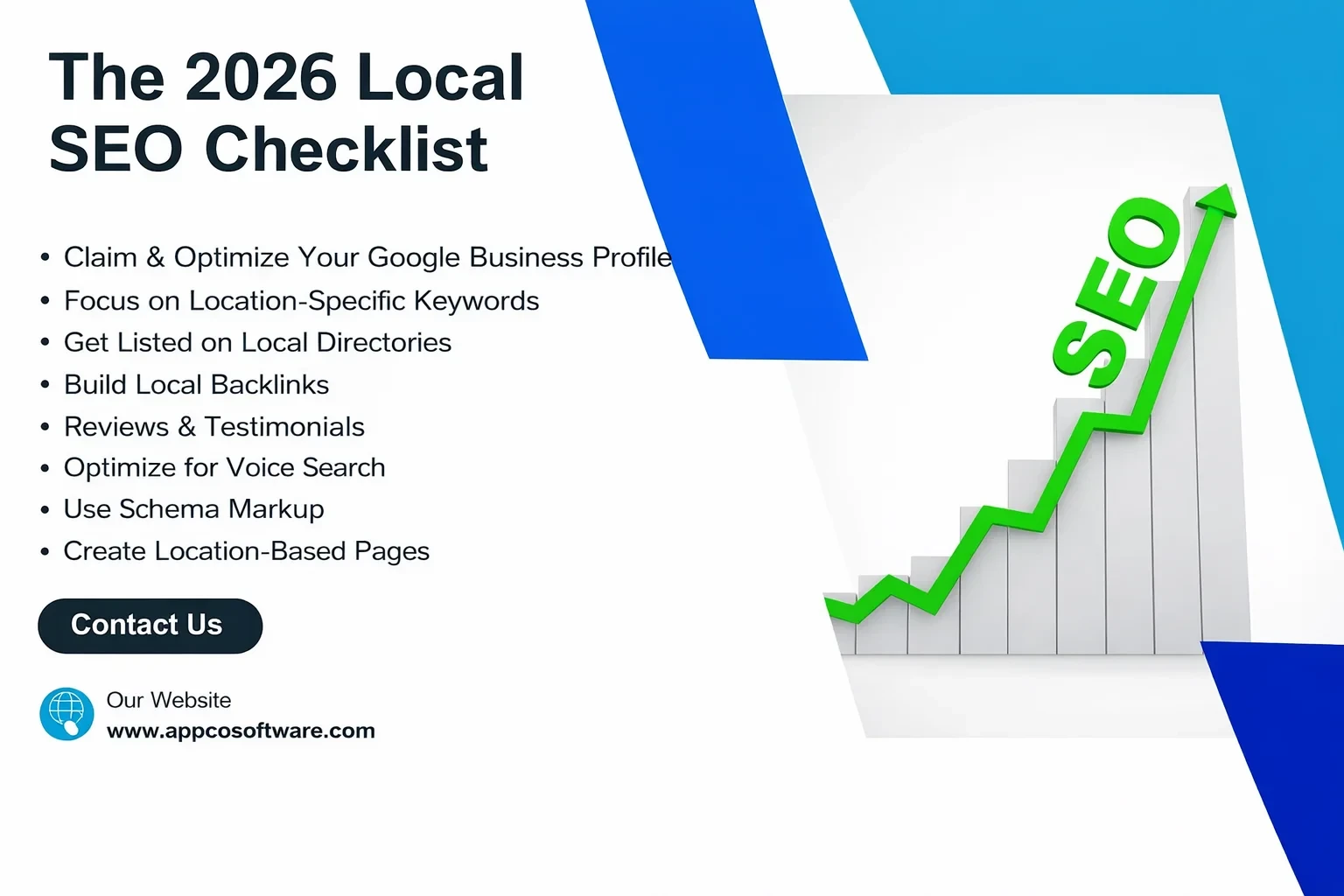
This is the first step. First of all, you need to set up your Google Business Profile (formerly Google My Business) and make sure everything’s filled out. And make it easy for someone to find, contact, and choose you in one visit.
Your pages should include the name of your city, neighborhood, or region naturally within the content. For example:
Use more such phrases in your title tags, headers, and meta descriptions. This helps Google figure out where you’re based and who should see your business in search.
As you know that consistency is key, no matter what you do. That said, you need to make sure your NAP (Name, Address, Phone) is exactly the same across:
If you put different names, it will be hard for search engines to find you when someone searches. A mismatch in contact details can confuse search engines and hurt your local rankings. And to get it right, you can take help from a local SEO expert. He will fix inconsistent listings and set up proper citations across the board.
If other trusted local sites are linking to your business, Google sees that as a signal of trust.
You can try:
These links tell search engines that your business is active. And this will help you get more quality customers, who really want to take your services or buy your products.
No matter what kind of business you are running. Reviews are very important. And not just for people reading them—Google uses them to decide who gets pushed up the local rankings. You can ask your happy customers to leave a review right after a job, sale, or service. The more recent a review is on your profile, the better it is for you to come up in the latest searches.
But here’s the key thing you need to be responsible for. You should respond to every review, no matter if it’s positive or negative. It shows Google (and your customers) that you’re paying attention. If you’re offering SEO services for small businesses, this step alone can set you apart from competitors who ignore their reviews.
These days, most people use voice searches to find out what they desire. As a business owner, you can think about how people talk when they’re asking their phone for something nearby.
You need to understand that your customers are not typing: best web designer in Delhi.
But they are using voice search options and saying: Where is the best salon near me open today?
That means your content should answer real questions. Like if someone is traveling and looking for a hotel at their next stop, your hotel should come up in Google Maps or Google search.
Now, schema markup might be a bit more technical for new business owners. But it helps search engines understand your content in a better way. Add a local business schema to your website. Using schema markup, you tell Google exactly what your business does. And where it’s located, what services you offer, and when you’re open and closed.
This also boosts your chances of showing up in rich results, for example. And those snippets with reviews, hours, and maps right in search.
If you serve more than one city, create separate pages for each area. Yes, you heard it right. If you are a large enterprise with multiple outlets in different cities or areas, you should create different pages and profiles for each location.
For example:
And each page should have unique content; you are not supposed to copy and paste the same content all over the website. You can also talk about what makes your services local to that area.
Also read – SEO Services Company in Mumbai
If you’re not a large-scale company with a national presence, local SEO would be a good option for you in this case. Because local SEO lets you compete with other brands in the same category. We are not saying that you have to outrank Amazon. No, you just need to show up when someone nearby is looking for something you offer.
If you’re a startup, a home-run business, or a service provider, local SEO for small businesses is one of the most cost-effective ways to grow. And if you don’t know how to do that, you can hire experts for this. And those experts will help you set up everything.
Also Read – Free SEO Tools for Auditing & Monitoring Your Website
When it comes to seo for small businesses in India, don’t chase big trends blindly. Instead, you need to start with the basics. Like what we have shared in this guide today. As more people use voice and AI to search, write like you’re answering a question in everyday Indian English. And keep updating, keep learning, and you’ll soon see the results.
If you want more advice on SEO for business growth, or want to check out our services for web development, digital marketing, or the best SEO marketing company packages, just connect with us anytime. And one of our SEO experts will get in touch with you and guide you accordingly.
You should focus on your Google profile, local keywords, free directory listings, and getting reviews. All can be done at zero to low cost.
Yes! Most near-me searches come from voice, especially for food, repair, and daily needs. Answer customer questions in plain language on your pages.
To do that, you need to keep your info fresh, add real photos, ask for reviews after every service, and reply to every review.
At least 5-10 major ones in India (think industry sites, JustDial, Sulekha), plus any city-specific ones.
Just ask directly after a service—share a simple link via SMS or WhatsApp, and always thank them.
If you have time and interest, start using an online seo checklist, but for faster or bigger results, a local seo services provider can help.
Link from your homepage to all main services, from each service to your contact/about page, and across related services (like web development, digital marketing, app development).
Definitely! Write about local festivals, neighbourhood stories, or customer wins. And share these on your social media too.
Error: Contact form not found.

Appco Software has been around for a very long time, helping startups and established brands build iconic websites and apps. For your unique idea to be presented in a beautiful way, contact us now!