
Search is not the same anymore. A few years ago, SEO (Search Engine Optimization) was all the rage. Then came AEO (Answer Engine Optimization) with voice search and AI-driven responses. And now in 2025, we are stepping into GEO (Generative Engine Optimization), where AI overviews and chat-based search results are shaping how people find information.
Google alone gets 9.5 million searches every single minute. Out of these, more than 25% of users now rely on voice search or AI assistants like Google Gemini and ChatGPT for answers. This shows how quickly search behaviour is shifting.
If you are running an online store or a service website, you cannot just focus on one thing and leave the other. For example, SEO is still important, but you also need to adapt a few other things. Ranking on page one is still important, but now you must also optimize for voice results (AEO) and AI overviews (GEO). In simple words, SEO vs AEO vs GEO is not a choice for your business, but you have to use them together.
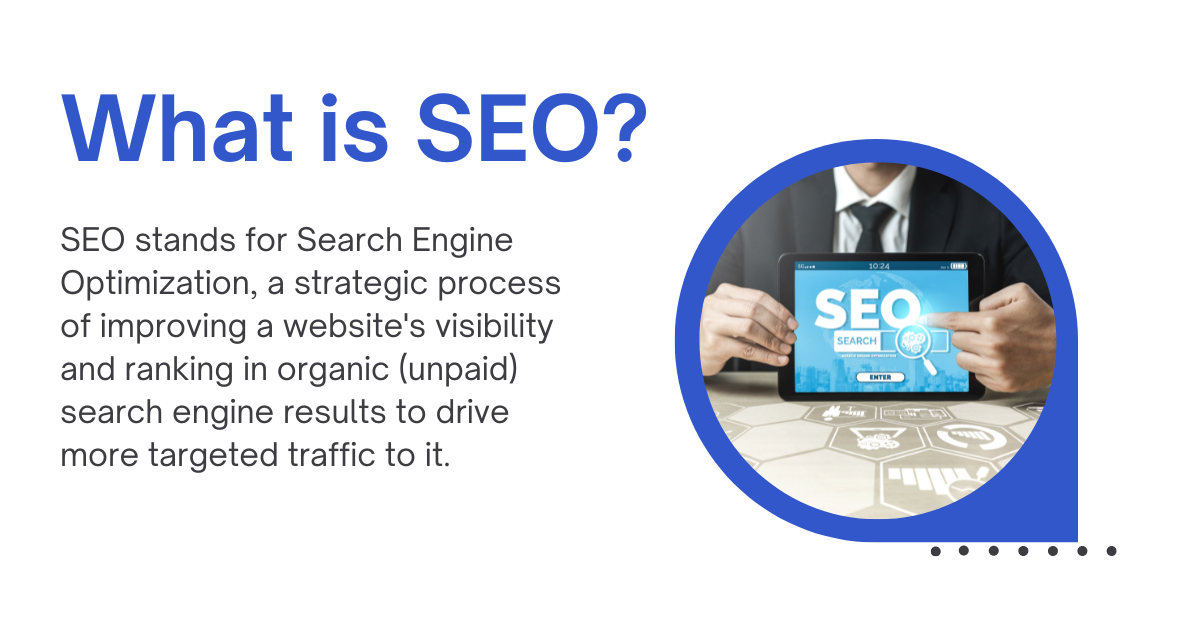
SEO (Search Engine Optimization) needs no introduction. SEO has been around for years and is still one of the most powerful ways to bring people to your website. In simple terms, SEO means making your site easy for Google to read and easy for users to find. When someone types the best phone under 15,000 or Shopify SEO experts in Jaipur, Google has to decide which websites to show first.
For a long time, SEO was mostly about three things. And if you managed these three, you could rank well on search engines.
But the game has changed. Today, SEO is not just about keywords and backlinks. Google now wants more proof that your site is trustworthy and useful. This is why SEO experts use the E-E-A-T (Experience, Expertise, Authoritativeness, Trustworthiness) method. If your content doesn’t look like it’s written by someone with real knowledge, it won’t rank well.
Google also checks how fast your site loads and how smooth it is on mobile devices. These checks are called Core Web Vitals. A slow or unresponsive site can damage your sales and traffic. That’s why many businesses today hire a Shopify SEO expert or go to a website development company in India to fix speed and performance issues.
Another big trend is topical authority. You can’t just write random blogs anymore. You need to cover one subject in depth. For example, if you’re a Shopify development company, you can’t stop at “how to set up a store.” You also need to write about SEO for Shopify, speed optimization, migrations, and marketing. Covering all parts of one topic shows Google you are serious about your niche.
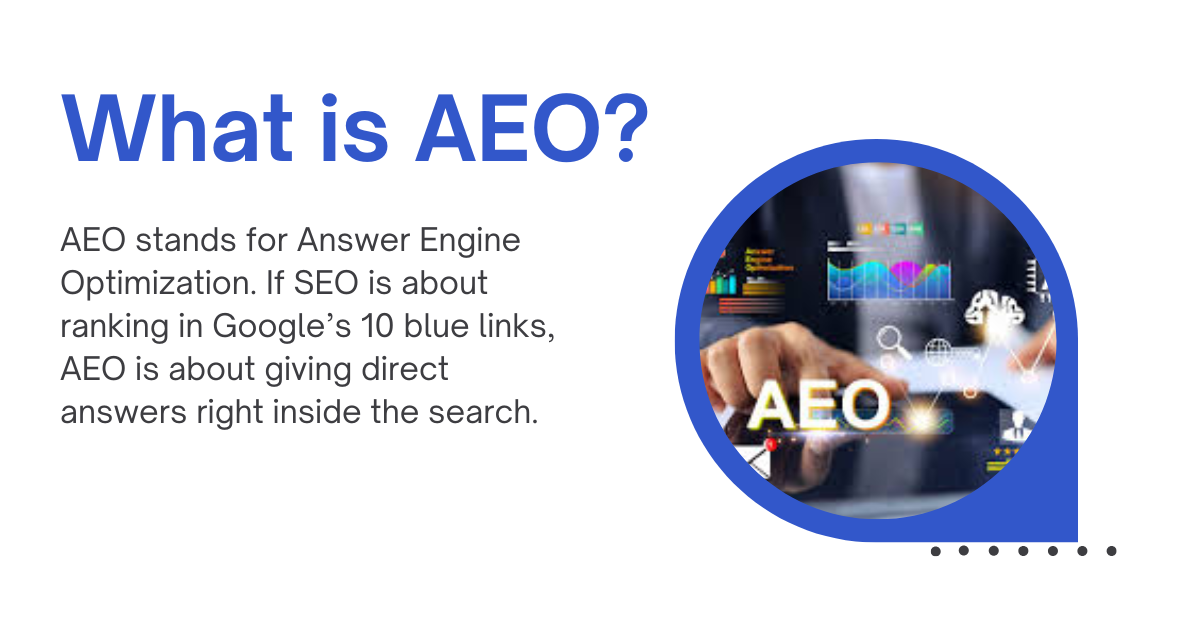
AEO stands for Answer Engine Optimization. If SEO is about ranking in Google’s 10 blue links, AEO is about giving direct answers right inside the search. You can check your behaviour, for example, like how many times do you search for something on Google and get the answer without clicking on any site? That’s AEO in action. This is where the debate of AEO vs SEO for voice search comes in. SEO brings clicks, but AEO ensures your answers are read out directly by Google Assistant or Alexa.
Today, a big chunk of searches end without a click. These are called zero-click searches. Google shows the answer in a featured snippet, a People Also Ask box, or even through voice results on Google Assistant. If your content is optimized for AEO, Google can pick your answer and show it at the very top.
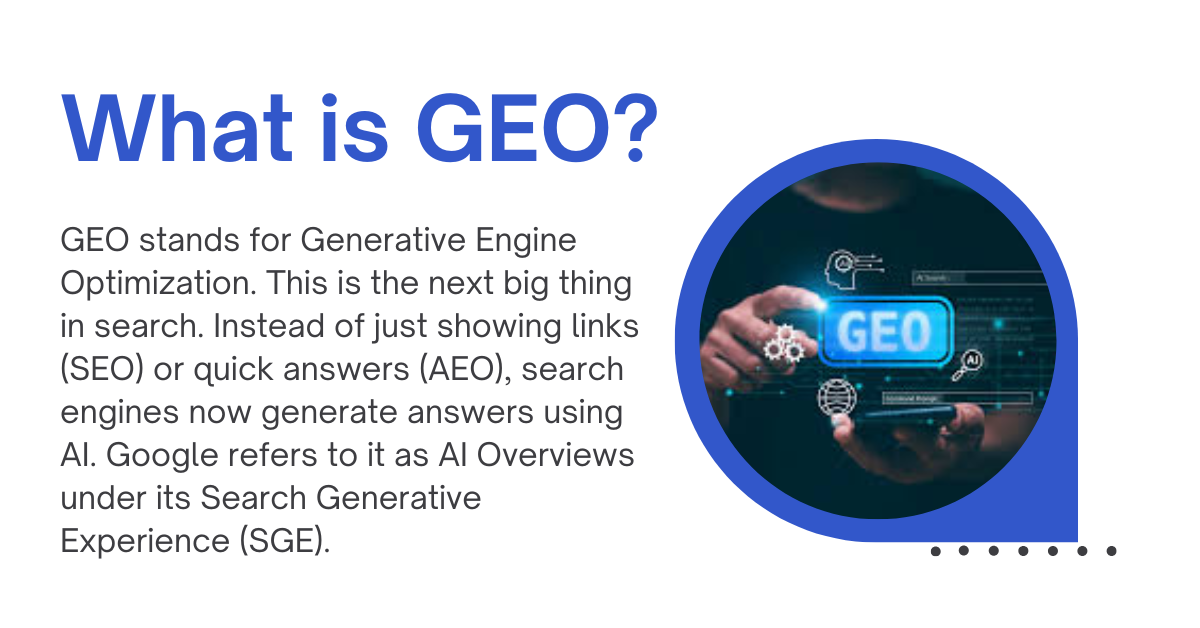
GEO stands for Generative Engine Optimization. This is the next big thing in search. Instead of just showing links (SEO) or quick answers (AEO), search engines now generate answers using AI. Google refers to it as AI Overviews under its Search Generative Experience (SGE). When you look at a GEO vs AEO comparison, the difference is simple: AEO gives short, ready-made answers, while GEO creates AI-based summaries pulling data from multiple sites.
When someone searches for the best Shopify development company in Jaipur, Google may not show only links anymore. Instead, it shows an AI summary of a few lines taken from different websites, combined into one clear answer. Under that, you see source links.
So, instead of fighting only for rank #1, now businesses have to fight to be part of the AI summary.
| Factor | SEO (Search Engine Optimization) | AEO (Answer Engine Optimization) | GEO (Generative Engine Optimization) |
| Focus | Ranking web pages | Answering queries directly | Optimizing for AI summaries |
| Format | Blogs, long articles, keywords | FAQs, snippets, voice-friendly content | Conversational, structured content |
| Tools | Keywords, backlinks, on-page fixes | Schema, Q&A, featured snippets | AI-driven tools, context-focused writing |
| User Behavior | Click-based (users visit your site) | Zero-click (answer shown on search) | AI-driven (people read AI summaries first) |
Search is changing fast. If you are used to old SEO alone, you will lose ground. Here’s what the numbers say and why you need to act now:
In the U.S., about 60% of Google searches ended without a click in 2024. That means people get their answers right on Google’s page, and no one visits your site. If you don’t show up in snippets, voice answers, or AI overviews, your traffic drops.
Voice searches in India are growing, driven mostly by non-English speakers and people using regional languages. So you can’t ignore voice search SEO anymore, it brings traffic from people who use Hindi and regional languages on their phones
When your brand name appears in featured snippets or answer boxes, people begin to trust you. It’s like being top of mind. Even if they don’t click immediately, over time, they recognise you. AEO and GEO help build that visibility.
Traffic from organic search is already slipping when you don’t optimize for AEO or GEO. Zero-click searches are eating impressions. That means fewer people see your brand. If your competitors adjust content for AI summaries or voice search and you don’t, they win those spots.
If you want to stay ahead in 2025–26, as we said earlier, you cannot focus on one method alone. You need a mix of SEO, AEO, and GEO. Here’s how you can work on each:
This is the big question today. People ask very often on Google and even personally: Will GEO kill SEO? The answer is no. GEO is not here to replace SEO; it’s here to sit next to it.
SEO is still the base. Without proper keywords, backlinks, and content, you won’t even show up in search. AEO adds another layer, for example. It makes sure you show up in snippets, FAQs, and voice search. And now GEO brings AI into the game. When people ask Google AI or Bing AI, the answers come from websites that are trusted and well-structured.
By 2025–26, you will not see plain search pages like before. You will see blended results, links, snippets, and AI summaries on the same page. A mix of SEO, AEO, and GEO will decide if your site shows up. Brands now have to balance AEO vs GEO content, direct answers for snippets, and structured insights for AI summaries.
So, the future is not about choosing one. The future is about a hybrid strategy. You cannot ignore SEO. You cannot skip AEO. And you definitely cannot stay out of GEO. If you do, your competitors will take that space.
So, what did we learn today? SEO, AEO, and GEO are not rivals. But all of these new things are different layers of the same game. SEO is still the foundation, AEO makes you visible in snippets and voice search, and GEO gets you noticed in AI-driven answers. If you only use SEO, you’ll miss out on traffic from voice and AI results. If you only think of AEO, you’ll lose your rankings. And if you skip GEO, your competitors will show up in AI summaries while you vanish.
The smart way forward is simple: build a hybrid strategy. And you are supposed to keep your SEO strong, add AEO for direct answers, and prepare your content for GEO. This is how, for example, you stay future-proof in 2025–26.
And if you’re not sure where to start, let us help you. At Appco Software, we run audits, create strategies, and make sure your website is ready for SEO, AEO, and GEO together.
No. AEO (Answer Engine Optimization) is about showing up in snippets, FAQs, and voice replies. GEO (Generative Engine Optimization) is about AI tools like Google’s AI Overview, using your content inside summaries.
It’s not about better or worse. SEO brings clicks to your site. AEO shows your content directly in answers or voice search. Both together give you maximum reach.
The 4 types of SEO: on-page SEO, off-page SEO, technical SEO, and local SEO. A shopify seo expert can help you cover all four so your store ranks well in Google search and maps.
Well, SEO ranks websites, AEO answers queries, GEO focuses on AI summaries, and AIO (AI Optimization) is about optimizing for AI assistants and chatbots.
Yes. An SEO optimization company will set up schema, FAQs, voice content, and AI-friendly formatting. Doing only SEO now is not enough if you want to stay visible in 2025.
To check that, you can search your topic in Google and see if the AI summary shows your brand name or link. You can also track with free SEO audit tools that monitor AI features.
Yes. Even if you run a local store, people search on Google Maps, voice assistants, or get AI answers. If you ignore AEO & GEO, it means you are losing free visibility.
If you’re not sure, start with a free SEO audit tool list like Google Search Console, Ahrefs Webmaster Tools, or Ubersuggest to spot issues.