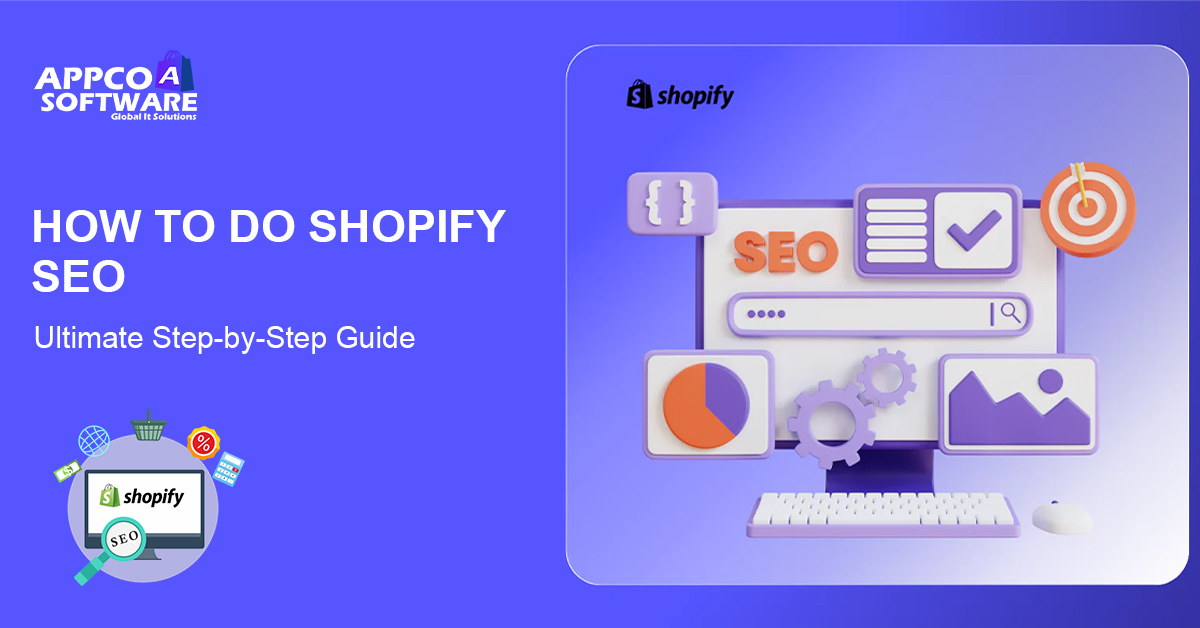
The best part about running a Shopify store is that it looks exciting, but without the correct Shopify SEO optimizations, your products may become lost in search results. All designs, products, and descriptions become useless when SEO is absent. That’s when SEO comes into the picture.
The good part is that Shopify Search Engine Optimization (SEO) helps to increase the ranking of your store in the Google search engine, therefore bringing more visitors and customers to your store. This post will prove helpful not only to beginners attempting to improve SEO on Shopify but also to experienced participants aiming to improve their store traffic on Google through keyword research, increasing store speed, and many other techniques.
If all of this feels like something too much to bite off in print, you can hire a Shopify Seo expert or a company that provides professional SEO services for Shopify stores. If you decide to take matters into your own hands, though, these tips will help create a strong SEO strategy that will result in success.
Let’s not waste time; instead, focus on getting your Shopify store ranking on page one!
If Google has no clue what you sell, it won’t rank your store. Let’s say that using the exact phrases that customers use, like “cheapest women’s running shoes” and “best organic skincare for acne,” can greatly help boost Shopify’s SEO and bring the right customers to buy your products.
A. Start with Your Customers’ Language
B. Use Free & Paid Shopify SEO Tools
C. Focus on Buyer Intent
D. Analyze Competitors
A. Once you have a list, use it naturally in:
Do not forget that Shopify store SEO is not about stuffing keywords. Focus on what people type in their search bars because that’s when your store will be visible. If this seems like too much work, there is always the option of hiring a Shopify SEO company or a Shopify Seo Expert (freelancer) specializing in Shopify SEO services. But, if you decide to do this on your own, we can assure you, that these SEO optimization tips will assist in establishing an online marketing strategy based on proper keywords, starting from the very first step.
Do you want your Shopify store to rank higher and attract more people to visit it? This is what On-Page SEO covers. It refers to all the things done on a web page as opposed to things on the website’s backend (like technical SEO). In simple terms, it relates to optimizing your product pages, collections, and even blog posts. Regardless of whether you are doing the Shopify SEO optimization yourself or want to make use of a Shopify SEO expert, Shopify SEO optimization will be simple after going through these tips.
Your product pages are the heart of your Shopify store SEO. If they’re not optimized, even the best products won’t rank.
A. Keyword Placement (Title, Description, URL, Alt Text)
B. Writing Compelling Product Descriptions
C. High-Quality Images + Optimized Alt Tags
Collections help organize products, but they also need SEO love.
A. Proper Internal Linking Structure
B. SEO-Friendly Collection Titles & Meta Descriptions
A blog isn’t just for content—it’s a powerful online marketing strategy to drive traffic.
A. Create Helpful Content Targeting Buyer Questions
B. Use Keywords Naturally in Blog Posts
Unlike many things that need attention when it comes to SEO, on-page SEO does not have a clear starting and end point. It is more of a cycle (like a never-ending task). Optimize product pages, collections, and even blog posts if you want an increase in organic traffic. Try to consistently implement the best SEO for Shopify practices and combine them with lower-cost PPC campaigns to get the highest possible return.
If this feels overwhelming, a Shopify SEO company offering Shopify SEO services can handle it for you. But if you are doing it yourself, these Shopify SEO tools (like Plug in SEO or Smart SEO) can simplify the process.
It doesn’t matter how great your product photos or descriptions are, without a proper keyword strategy coupled with excellent technical SEO, your store will miss a lot of attention. The same applies to not utilizing Technical SEO properly, this will result in search engines missing out on your store. This posting focuses on polishing the technical side of your SEO you can do it alone or opt to hire a Shopify SEO expert.
A study shows that 53% of mobile consumers will leave a website that takes longer than three seconds to load. In addition to offering SEO benefits, speed is a crucial component of user experience. To maximize site speed, you should consider the following methods:
A. Compress Images Without Losing Quality
B. Minimize Unnecessary Apps
C. Use a Fast, Lightweight Theme
Over 60% of Shopify store visits come from mobile. If your site isn’t smooth on phones, you’re losing rankings and sales.
A. Test Responsive Design
B. Avoid Pop-Ups That Block Content
Shopify sometimes creates duplicate pages (e.g., /products/hat and /collections/all/products/hat), confusing search engines.
A. Use Canonical Tags
B. Avoid Duplicate Meta Titles & Descriptions
Ever seen product ratings, prices, or stock status directly in Google results? That’s schema markup at work.
A. Add Product Schema for Better Visibility
Technical SEO isn’t glamorous, but it’s essential for Shopify SEO optimization. A fast, mobile-friendly, well-structured store ranks higher and converts better. Use these SEO optimization tips to clean up the backend, or partner with a Shopify SEO company to handle the heavy lifting. Either way, your store will thank you with more traffic and sales!
While on-page and technical SEO focus on your store itself, off-page SEO is all about what happens beyond your website—building your store’s reputation and gaining endorsements from other people. Imagine having a friend promote your business to others, but your friend is promoting it to a search engine. If your goal is to be ranked better among other stores, you need to adopt off-page methods alongside on-page methods to improve Shopify SEO.
No matter if you are an SEO novice or planning to let a Shopify SEO expert take over, here’s how to get it done.
The links that other sites put on their pages that lead to yours are considered hyperlinks. These work like a vote of trust for search engines like Google. When more reputable sites point to your website, it improves your ranking.
A. Guest Posting on Relevant Blogs
B. Influencer Collaborations
C. PR Outreach & Digital PR
Social signals (likes, shares, comments) don’t directly impact rankings, but they drive traffic and brand awareness, which helps SEO.
A. Share Blog Posts & Product Pages
B. Engage with Your Audience
C. Use Pinterest for SEO (If It Fits Your Niche)
Reviews are user-generated content that builds trust and improves rankings.
A. Ask for Reviews Post-Purchase
B. Showcase Reviews on Product Pages
C. Get Reviews on Third-Party Sites
Off-page SEO is about building relationships with bloggers, influencers, customers, and your audience. The more people talk about your brand, the more Google trusts your store. Combine this with strong on-page and technical SEO, and you’ve got a winning online marketing strategy that drives consistent, organic traffic.
Do you wish to improve Shopify SEO? The appropriate Shopify SEO tools can help you save time. It will improve the visibility of your eCommerce store, regardless of your level of experience. The following are the best apps for Shopify SEO optimisation:
Pro Tip: If managing apps feels overwhelming, a Shopify SEO company offering Shopify SEO services can handle everything for you.
These Shopify SEO tools make optimization easier, but remember—they work best when combined with a solid online marketing strategy. Start with 1-2 apps, track results, and scale up. Your Shopify store SEO will thank you with more traffic and sales!
Looking for hands-off help? Consider professional Shopify SEO services to implement the best SEO for Shopify while you focus on running your business.
You’ve put in the work—optimized product pages, built backlinks, and fixed technical issues. But how do you know if your Shopify SEO optimization efforts are paying off? Tracking your store’s performance is the only way to measure success and spot areas for improvement.
Whether you are handling SEO yourself or working with a Shopify SEO company, these SEO optimization tips will help you track what matters most.
A. Google Analytics (Free)
Tracks traffic sources, user behavior, and conversions
Key metrics to watch:
B. Google Search Console (Free)
Rankings fluctuate—what worked last month might not work today. Track where your store stands for target keywords.
A. Free Tools:
B. Paid Tools (More Detailed):
More traffic is great, but sales matter more.
A. Where to Check:
Backlinks = SEO power. Monitor who’s linking to you.
A. Free Tool
B. Paid Tools (More Insight)
Even if you have done Shopify speed optimization, performance can slip over time.
A. Free Tools:
Start with 1-2 tools, check metrics monthly, and tweak as needed. Over time, these small adjustments lead to big growth in traffic and sales—the real proof that your Shopify store SEO is working!
Even with the best Shopify SEO, small errors can keep your eCommerce store from improving its SERP rating. You may enhance Shopify SEO results more quickly by avoiding these frequent blunders, regardless of how long you have been working on your Shopify store SEO or how fresh you are to Shopify SEO optimisation.
A. The Problem:
Over 60% of Shopify traffic comes from mobile, but many stores still aren’t optimized for smaller screens. Google prioritizes mobile-first indexing, so a poor mobile experience hurts rankings.
B. How to Fix It:
Pro Tip: If you are not sure where to start, a Shopify SEO company can audit your mobile performance.
A. The Problem:
Copy-pasting manufacturer descriptions or writing one-sentence product details creates “thin content” that Google ignores.
B. How to Fix It:
A. The Problem:
Long, messy URLs like /collections/all/products/1234 confuse search engines and shoppers.
B. How to Fix It:
A. The Problem:
Huge, unoptimized images slow down your site (Shopify speed optimization matters!).
B. How to Fix It:
A. The Problem:
Not linking related products or blog posts means missing SEO opportunities.
B. How to Fix It:
A. The Problem:
No reviews = less trust for shoppers and Google.
B. How to Fix It:
A. The Problem:
Too many apps drag down speed, hurting rankings.
B. How to Fix It:
A. The Problem:
If you are not measuring, you’re guessing.
B. How to Fix It:
Avoiding these SEO mistakes is often easier (and cheaper) than fixing them later. Start with one area—like cleaning up URLs or improving product descriptions—and work your way down the list. Small tweaks add up to big Shopify SEO optimization wins over time!
One reliable source for Shopify SEO services is Appco Software Services. Our area of expertise is assisting eCommerce companies in increasing their online presence and revenue. Our team of professionals offers customized solutions to expand your business, whether your goal is to enhance Shopify SEO, optimize the operation of your store, or put a successful online marketing plan into action.
Need help ranking your store? Hire a Shopify SEO expert from Appco Software Services today, and watch your organic traffic grow!
Mastering Shopify SEO optimization isn’t about quick fixes—it’s about building a strong foundation that grows your organic traffic and sales over time. Whether you’re just starting or looking to improve the Shopify SEO of an existing store, the strategies we’ve covered—from keyword research to technical tweaks and off-page efforts—will help you climb search rankings and attract more customers.
The best SEO for Shopify combines patience, smart strategies, and ongoing effort. Start small, stay consistent, and over time, you will see more organic traffic, higher conversions, and a store that ranks where it belongs—on page one of Google.
Need a tailored plan? Explore Appco Software’s professional Shopify SEO services to fast-track your store’s growth.
Appco Software has been around for a very long time, helping startups and established brands build iconic websites and apps. For your unique idea to be presented in a beautiful way, contact us now!