
To start an e-commerce business from home, you need four things. A product that people want to buy, GST registration, a seller account on Flipkart or your own Shopify store, and a delivery partner to ship orders out. It takes very little money and runs completely off your laptop!
Nowadays, everybody is ordering stuff on their phones, right? With the availability of the internet and UPI, starting an online business from home in India is literally booming right now. With this business model, for example, you don’t even need to rent a shop. You just manage things from your bedroom using very little money, and in fact, being your own boss is the best feeling.
In this simple e-commerce startup guide in India, we are going to show you exactly what works. You’ll learn how to pick winning products, sort out that boring GST stuff, and launch your store.
A home-based e-commerce business means you sell products online using your home as your operating base. Your home address is what you register for GST registration, bank accounts, and marketplace seller onboarding.
Doing a work-from-home e-commerce business may have sounded cool like five years ago. But in 2026, it’s the smartest thing you can do right now.
Our Indian e-commerce market is expected to grow to Rs. 29,887.35 crore (US$ 345 billion) by 2030. With the high use of the internet and social media, this is the right time for you to taste the market.
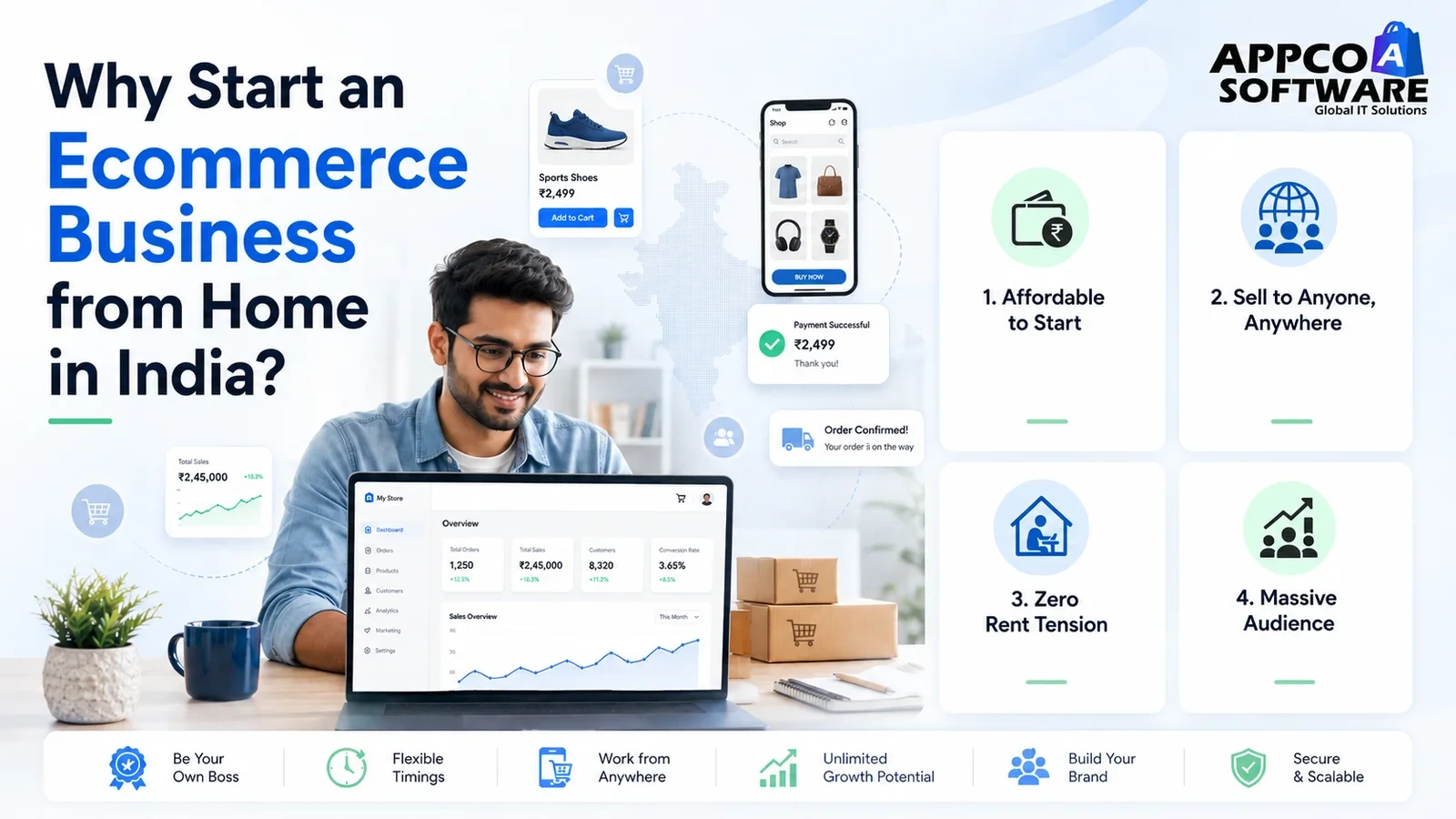
Here is exactly why running this from your house makes so much sense:
For e-commerce businesses for beginners in India, the smartest move is to find something people are already buying and come in with a better price or a better offer.
A few ways to find product ideas that work:
Search Google Trends and look at 12 months of demand, not just recent spikes. Check Amazon Best Sellers and the trending section on Meesho. See what is selling on Instagram Reels with real comments and saves, not just views.
Then run each idea through this checklist:
| Category | Demand | Competition | Investment |
| Ethnic wear and kurtis | Very High | High | ₹20,000+ |
| Mobile accessories | Very High | Medium | ₹15,000+ |
| Beauty and skincare | High | Medium | ₹25,000+ |
| Artificial jewelry | High | Low | ₹10,000+ |
| Home organizers | High | Low | ₹20,000+ |
| Digital products | Growing | Low | ₹5,000+ |
So before you waste even a single rupee on buying stock, please check if anyone even cares to buy it. In fact, checking out how to sell products online from home without burning through your savings starts exactly here.
Our Shopify SEO services include keyword research as part of every store build, so you are targeting search terms with real buyer intent before launch.
Now, at this stage, you have to choose your eCommerce business model. Here are some of the best online business ideas:
| Model | Investment | Inventory | Profit Margin |
| Drop shipping | ₹10K to ₹20K | No | 15 to 25% |
| D2C Own Store | ₹50K to ₹1L | Yes | 35 to 60% |
| Reselling | ₹15K to ₹30K | Limited | 20 to 30% |
| Print-on-Demand | ₹5K to ₹15K | No | 20 to 35% |
| Digital Products | ₹5K | No | 70 to 95% |
Ecommerce business registration in India is very simple. You can do it by yourself or ask for help from someone who understands the panel better.
Quick Question: Is GST mandatory for e-commerce sellers in India?
Yes. Every e-commerce seller needs GST registration under Section 24 of the GST Act. Without GSTIN, you cannot list on Amazon, Flipkart, or Meesho.
When you start an online store from home, you have two ways:
Or you can go with two of these options. Because marketplaces give you instant traffic. And your own website provides you with brand ownership, customer data, and better margins.
| Platform | Best For | Pricing |
| Shopify | D2C brand builders | From ₹1,499/month |
| WooCommerce | WordPress users with dev support | Hosting & plugins |
| Meesho | Zero-investment start | Free |
| Amazon India | Maximum reach quickly | 15 to 30% commission |
With our years of experience, we would like to add that Shopify is the fastest way to build your own home business. In fact, along with a store, you can also sell to marketplaces. That’s not a big case at all.
For more information on this, you can check our Shopify website development services.
Now if you check the market, we Indians pay in different ways. As a store owner living and operating a business in India, you need to offer all those payment options.
In order to get constant sales, you need to get help from a digital marketing agency, for example:
When you start an e-commerce business from home in India, the cost depends on different factors. Here is the estimated cost for you to understand:
| Expense | Estimated Cost |
| Domain name | ₹1,200 to ₹2,000/year |
| Shopify subscription | ₹1,994/month |
| Website setup | ₹50,000+ |
| Product stock | ₹5,000 to ₹50,000+ |
| Marketing (Month 1) | ₹3,000 to ₹15,000 |
| GST registration | Varies |
| Total to start | ₹10,000 to ₹120,000+ |
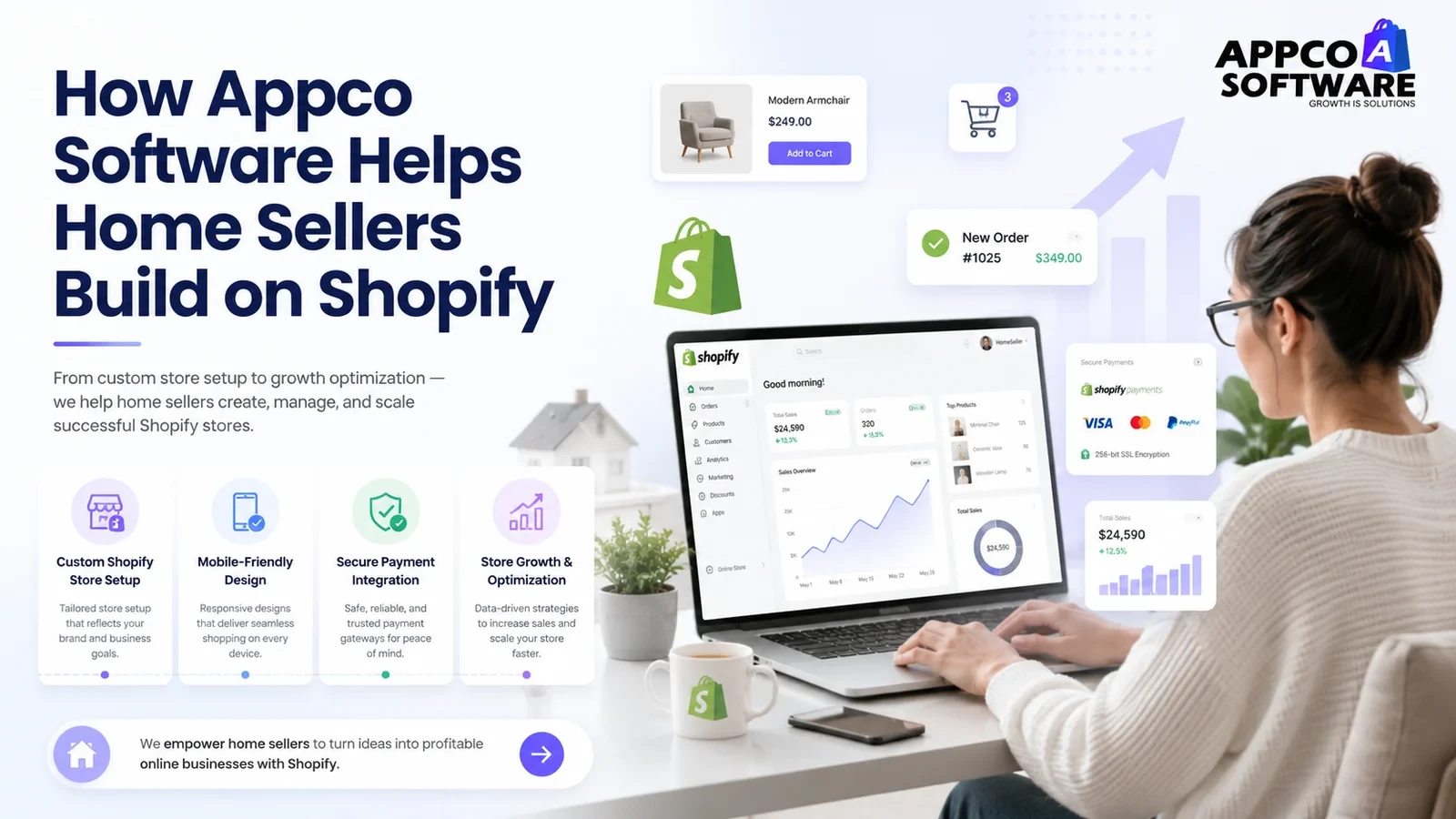
Appco Software is a leading Shopify web development company in Jaipur, India. As a Shopify expert agency, we have gained a solid rep in the market and have worked with almost 5K clients in different categories.
With 13+ years of experience as a certified Shopify Partner, we help D2C brands and home sellers in India build e-commerce stores. Below are the Shopify services we offer:
You can start drop shipping or Meesho reselling in Rs. 10,000 to Rs. 20,000. That covers GST registration, a Shopify plan, and early marketing. If you want your own inventory, keep Rs. 50,000 aside at minimum.
Every e-commerce seller needs it under Section 24, no matter how small the business. Amazon and Flipkart both ask for a GSTIN before they let you sell anything.
Well, it depends on your product category. But you can test on Meesho or Amazon first. Once the product sells, move to Shopify and build the brand properly.
Drop shipping and print-on-demand both let you sell without touching any stock. For anyone starting a work-from-home e-commerce business with a small budget, this is a reasonable first step.
Yes, a lot. Within a few years only, the eCommerce market has grown like crazy. In 2026, this is the right time to start your online business.
Error: Contact form not found.

Appco Software has been around for a very long time, helping startups and established brands build iconic websites and apps. For your unique idea to be presented in a beautiful way, contact us now!